This is how the Swiss will travel in 2021

This is how the Swiss will travel in 2021

There are currently no top lists with the most beautiful travel destinations. Travel is completely different these days and may never be the same again. The holiday trends, which were mostly communicated in January, did not exist in 2021, so far there are no real prospects for the travel season. Nevertheless, some directions can be seen.

Travel within Switzerland

Most people will stay in their own country this year and explore the regions that are still unknown or less popular. International travel is currently not on the agenda for very few people. It is interesting that in 2020 there were many first-time guests who, for example, took a vacation in the mountains for the first time in their life, after having always flown to the sea or an island.
The Swiss Travel Association, together with Allianz Partners Switzerland, has published a study that shows that around half of the Swiss will decide to take a holiday in their own country this year.

Spend the night in holiday homes

The comfort offered in the hotel is certainly more comfortable, but many Swiss will spend the night in holiday homes and holiday apartments in 2021. These are not only reserved by the Swiss themselves, but also by visitors from other countries who want to spend their holidays in Switzerland. The reason: In holiday homes, physical contacts are reduced to a minimum. There are no shared breakfast rooms, mostly there is even self-catering. However, you do not have to do without traveling, at the same time holiday homes can even be booked in very remote regions. Alpine huts and mountain pastures are also well booked, and holidaymakers also like to opt for holiday homes that are? Somewhere in the middle of nowhere? lie. Holidays in nature are being popular right now!

Remote work on vacation

The number of employees who work in the home office increased significantly in 2020. Now they might want to go on vacation and still be available. Or it is about combining vacation and work and working where you would normally go on vacation. This means that there is an increasing search for rental properties in which the Internet connection is very good. That's all it takes to work in the remote office, which at least brings a change of scenery in the dreary everyday office life at home.
Some hotels are particularly resourceful and offer overnight stays for three days, only two of which have to be paid for. If you have a long weekend, you can still add a day and work in the remote office. The hotel rooms can therefore also be used as a study and are accordingly well equipped.

On the road again

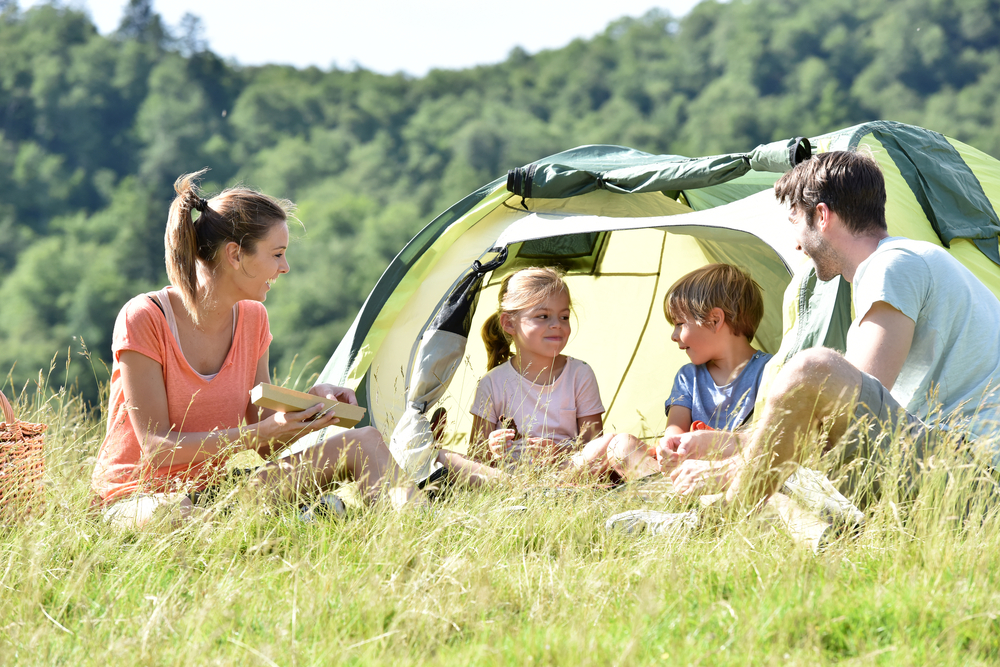
Who needs maximum comfort all the time? Road trips are particularly popular in 2021 and take vacationers to places they have always wanted to visit, with the journey being the goal. The car was already one of the winners in terms of travel in 2020, as it was used more than ever to get from A to B on vacation. Short trips and camping trips are the means of choice for many Swiss people to relax and get away from everyday corona. Here everyone can travel as they please and at the same time you are only traveling with your own household. No physical contact with other people if they are not wanted! Experts assume that the trend that emerged in 2020 will continue in 2021 or could even be more clearly recognized. In any case, the campsites in Switzerland are already well booked and last year more mobile homes were registered than ever before.


Conclusion: Travel will change in 2021

The Swiss are currently slowing down a gear and it is no longer a question of visiting as many destinations as possible around the world. You concentrate on vacationing within your own limits and on having as few physical contacts as possible. Vacation homes, hotel rooms for a long weekend and campsites are in greater demand than ever in 2021.

divide

Find travel insurance

Compare all providers in Switzerland quickly and free of charge.

These articles might also interest you:

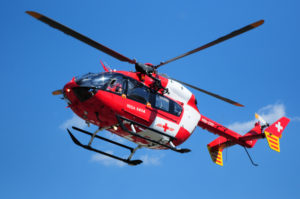
Use in an emergency: who pays the rescue helicopter?

Use in an emergency: who pays the rescue helicopter?

Alois H. passed out in his garden in January 2020. The call to the cantonal hospital resulted in a helicopter being sent to take Mr H. to the hospital. Now he has to pay the stake himself. Right?

Fall with consequences

Alois H. was seriously injured in his fall in the garden in January last year. The Schaffhausen hospital called was overloaded and sent the rescue helicopter that flew Alois H. to Zurich. Alois H.'s life partner canceled the emergency call because she thought her partner was in great danger. Only in the year after that he had suffered a stroke, now there were great fears that it would be another catastrophe.
For Alois H. the flight with the rescue helicopter goes directly to Zurich to the hospital, after it could only be stabilized on site. The Air Alpine Ambulance was quickly on the spot and flew to the University Hospital in Zurich. One day later, Mr. H. was allowed to return home. But despite all the relief, the disillusionment soon came: Three invoices arrived in a row, Mr. H. was now supposed to pay the ambulance service and the emergency doctor. The costs amounted to 2,000 francs, he was supposed to pay around 1,100 francs himself. Then there was the bill for the helicopter, which was supposed to cost 5,000 francs. Alois H.'s share was 3,000 francs. In total, this is 4,100 francs that Alois H. is now supposed to pay. Unfortunately, he doesn't know how to bear the costs and believes that his own rescue has ruined him.

That's what the law says

The described case has already been fatal for many people. You were brought to the hospital for an emergency and had to dig deep into your pockets afterwards. Depending on the region, transport by ambulance alone can cost up to CHF 2,000, and health insurance usually only covers half of that. Rescue by helicopter will be a lot more expensive.
If Rega organizes the rescue itself, the costs for the rescue operation can be reduced or eliminated entirely. However, if the Alpine Air Ambulance (AAA) arrives, the costs are passed on to the patient, even if there is a Rega patronage. This only covers the costs for Air Glacier and Air Zermatt operations. Thus the present invoices are indeed a financial catastrophe for Alois H., but they were justifiably issued. Such a burden can only be avoided with additional insurance offered by health insurance companies. Under certain circumstances, the entire transport costs are covered there.

However, if the transfer to another hospital has been ordered by the treating hospital, the costs will again be covered by the basic insurance. In the case of Alois H., this means that the costs would not have been incurred if the emergency doctors had brought Mr. H. to the cantonal hospital in Schaffhausen first and only then had the transfer by helicopter occurred due to the overload. Then only the rescue costs for the emergency doctor and the ambulance would have been due, but not for the flight with the AAA. But the Schaffhausen Hospital does not declare the flight to be relocated due to overload and so Alois H. remains at his expense. The reason given for this is that Mr. H. had neurological abnormalities that would have made a transport to the university clinic necessary due to his previous history.
In the meantime, Alois H. has paid the rescue and emergency doctor's costs and has begun paying off the costs of the helicopter. Unfortunately, in the meantime, a debt collection company has been called in, which in turn would like to claim default damages and interest.

Conclusion: Take out additional insurance as a useful addition to basic insurance

One of the most important supplementary insurances to the basic insurance includes the transport costs in an emergency. Otherwise, this can mean financial ruin and there is no legal remedy to protect yourself from legitimate claims in the event of a helicopter rescue.

divide

Compare health insurance companies

Compare all health insurance companies quickly and free of charge.

These articles might also interest you:

Courts must review complaints about intelligence surveillance

Courts must review complaints about intelligence surveillance

Towards the end of 2020 it got through the media: The Swiss Federal Supreme Court ruled that a complaint that was made because of the cable investigation was approved. Now the matter goes to the Federal Administrative Court, which must clarify whether the plaintiff's fundamental rights had actually been violated. 

Cable surveillance as part of mass surveillance

The Swiss authorities can, without cause or suspicion, carry out what is known as cable surveillance, which enables mass surveillance. This means that the data traffic that goes back and forth between Switzerland and the rest of the world is continuously monitored. The new Intelligence Service Act of 2017 made this measure possible, which the Swiss population approved in a vote.
The Swiss digital society had now filed a complaint with the Federal Administrative Court, precisely for the reason that it was a matter of unreasonable surveillance that was independent of any suspicion. The court, however, denied the complainants the right to appeal. The reason for this decision: With the right to information under data protection law, it would be possible to file a complaint against the secret service in the event of violations of fundamental rights. A lawful review could thus be enforced in court.

The right to information was not sufficient

The right to information was limited and was previously found to be unsuitable, because it only applied to data that had been subsequently saved in an information system of the secret service and that could be assigned to a person. However, the mass surveillance automatically starts with the data streams and records all persons who cannot make sufficient use of their right to information. The declared aim of cable reconnaissance is precisely this automatic scanning: It should monitor as many people as possible and evaluate communication with secret search terms.

Everyone could be affected by the measures

On December 1, 2020, the Federal Supreme Court issued the judgment in which the complaint of the Digital Society Switzerland was approved and the previous judgment of the Federal Administrative Court was overturned. The reason: The measures associated with the cable reconnaissance are secret and are not disclosed to those affected afterwards. As a result, there would be no protection against the measures.
The Federal Supreme Court recognized that any person could be affected by the mass surveillance and that communication within Switzerland would also be monitored in the event of unprovoked mass surveillance. The court was of the opinion that the electronic scanning of the data compromised the secrecy of telecommunications and that the right to informal self-determination was violated with the mass surveillance. This is in turn protected by the Federal Constitution and also by the European Convention on Human Rights. The complainants could not denounce any individual measures, but would have to challenge the entire cable investigation system in the absence of further information. Those affected who feel that their basic rights have been violated can now turn to the European Court of Human Rights in Strasbourg.

Conclusion: National courts must check compliance with fundamental rights

Complaints about fundamental rights that have not been observed must not simply be thrown out, as the Federal Supreme Court's ruling now shows. For example, data has to be protected and every citizen has the right to informal self-determination. That in turn is not possible with a mass scanning of the communication under intelligence aspects, especially since the citizens cannot even get information about the data stored about them. With the current technical means, however, it is not possible to exclude individual persons from the surveillance, because only the comprehensive surveillance of communication can be profitable for the purposes of the secret services. But if this is actually not possible and all communication has to be monitored at all times, this cannot be reconciled with the basic right and the cessation of cable surveillance could be the only effective means to protect basic rights.

divide

Find legal protection insurance

Compare all providers in Switzerland quickly and free of charge.

These articles might also interest you:

2020 was an expensive year for the insurance industry

2020 was an expensive year for the insurance industry

2020 was a huge challenge for the entire insurance industry. Pandemic payments, including due to plant closures, cost huge sums. But the non-life insurers made a clear plus.

Increase in premiums for various types of insurance

The Swiss Insurance Association recently published projections according to which income from premiums for non-life insurance had increased by around 1.4 percent in 2020. This puts them at around CHF 28.9 billion, which means that the industry has been able to continue the positive trend of recent years.
The growth in property damage, fire and natural hazard insurance was significantly stronger, with a volume increase of 3.1 percent being recorded. The economy has grown rapidly in recent years, which has resulted in the insured values also rising steadily. This, in turn, was the main reason for the premium increase.
The remaining property insurances were only able to increase by around two percent; these are credit, legal expenses and surety insurances. Personal insurance also increased by two percent, which was mainly due to the rising costs in the health care system and the increased demand for health insurance.
In contrast, professional and general liability insurance showed zero growth in 2020, while insurance for motor vehicles even posted negative growth of 0.5 percent. Low tariffs and lower demand had led to the loss of income.

Life insurance collapsed in 2020

The decline in the premiums for life insurance was extremely strong, here the insurers recorded drops of up to 18 percent and thus to a total of the premiums of 24.7 billion. The reason for this is the withdrawal of Axa, which withdrew from full insurance for occupational benefits at the beginning of 2019. There were no longer any high single premiums for 2020 that originally came from contract income. As a result of the withdrawal of Axa, many companies switched to another provider who could offer full insurance.

Corona year 2020 as a challenge for insurers

Insurers can now hope that the demand for reinsurance will continue to rise, especially as a renewal in January 2021 highlighted opportunities to improve tariffs and insurance conditions. The demand will increase less because of the revisions, but rather because of Corona.
In general, 2020 was a problem for insurers, with all providers of travel insurance and protection against the consequences of a business closure facing high demands. The Swiss Insurance Association now assumes that insurers had to or still have to pay around one billion francs for defaults in 2020. It is currently unclear whether this will continue to be the case in 2021 or whether there will be lower or even higher requirements.

Conclusion: 2020 as a year to tick off

At least the statement in the headline applies to insurance providers, because the expenses for the insured were high as rarely. Although higher premiums were recorded in some lines, the payments were significantly higher than in the previous year. Above all, travel insurance and business failure insurance were hit hard in 2020.

divide

Find life insurance

Compare all providers in Switzerland quickly and free of charge.

These articles might also interest you:

Mortgage interest rates: Big differences among providers

Mortgage interest rates: Big differences among providers

Ten-year federal bonds are seeing rising yields, but the interest on mortgage loans has so far only risen slightly. However, many providers start with adjustments that make a loan more expensive. 

Interest rates rise only a little

Since the beginning of January 2021, it has been observed how the interest on ten-year federal bonds has risen more and more. Are you from? 0.56 on? 0.43 higher, with US Treasuries behaving similarly. Their returns have also increased and have now reached over one percent. The "Confederation", as federal bonds are also called, is usually referred to as the most important driver of mortgage interest rates: as it rises, so do lending rates. But this cannot be observed at the moment, the average interest rate has increased from 1.05 to 1.06 percent, but that is a negligibly small increase. Experts see the overarching trend as decisive and this says that interest rates continue to fall, as they have for years.

The trend that interest rates continue to fall was recently interrupted by the Corona crisis, in between they rose slightly and reached average values of 1.15 percent. The trend now seems to be back to the 0.98 percent that was awarded before the crisis. Experts from the financial world suspect that one reason why mortgage rates will not rise is because they are expected to remain low for years. The governments have to provide huge sums of support money, the national debt is growing significantly. The experts see a connection here and assume that interest rates will remain low.

Providers react differently

However, individual providers have adjusted their interest rates, with the providers who have already charged higher interest rates, now rising even further. Providers with rather low interest rates, on the other hand, have not followed suit and have lowered their rates even further instead of increasing them. The cheapest is currently (as of February 2021) the Internet service hypoclick, which only requires 0.767 percent. The so-called shop window prices, however, require a very good credit rating. Anyone who arrives here with poor payment behavior and is not given a good credit rating will of course not be offered this interest rate.
The Bühler pension fund is only slightly more expensive, with a rate of 0.79 percent, and the BVK and the Swiss Post pension fund have also lowered their interest rates for mortgage loans. Raiffeisen Bank, on the other hand, has gone up with its interest rates for ten-year mortgages and is currently charging 1.35 percent. The offers of the Zuger Kantonalbank are similar.

So are the prospects

There is a long-term trend not only in terms of the weather, but also in mortgage loans, and it currently looks as if the low interest rate level will last for a long time. A lower interest rate than now is possible with some providers, but the experts do not determine how long this will be the case. It is quite conceivable that the current low interest rate environment will change, although noticeable interest rate hikes cannot be ruled out in the coming years. Nobody wants to commit themselves correctly because the influences, for example due to the Corona crisis, cannot currently be precisely weighed up.

Conclusion: interest rates on mortgage loans remain low

Nevertheless: Even if the current interest rates for mortgage loans are low and apparently still remain low, some providers are pulling slightly. If you want to take out a long-term mortgage now, you shouldn't hesitate too long, because the interest rates will not go much lower. At most, they will remain at their current level before they pick up again. It is also interesting that the interest rate differentials are very small, on average and based on the comparison of a two-year and a ten-year term. Finance experts therefore assume that someone who now takes out a ten-year mortgage will be better served than ever before and will have the greatest possible planning security.

divide

Find the best mortgage

Compare all providers in Switzerland quickly and free of charge.

These articles might also interest you:

Household contents insurance: what counts as natural hazards?

Household contents insurance: what counts as natural hazards?

When it comes to natural hazards, there is often talk of storms, floods, landslides or similar events. In general, it is about natural disasters that are included in the contents insurance. However, glass damage caused by the natural event can usually be insured separately.

These natural hazards are insured

Fire and natural hazards are defined in the supervisory ordinance, including floods and avalanches. It also includes storms and landslides. Fire and natural hazards are covered as basic risks in the household contents insurance and are listed there alongside water damage and theft.
According to the Insurance Supervision Act, cover for natural hazards is included in fire insurance, which also includes fire, sudden smoke development, explosion, lightning strike and the crash of aircraft and spacecraft. The following natural hazards are included in home contents insurance:

    • landslide
      Buildings or parts of them are destroyed by a falling slope.

    • Flood
      If a lot of water occurs due to heavy rainfall and remains within the limits that man has set for it, one speaks of flooding.

    • Falling rocks
      A house wall is damaged by individual stones.

    • flooding
      Damage is caused by a disproportionate amount of water that exceeds the limits set by humans (e.g. rivers and lakes overflowing their banks).

    • Rockslide
      Buildings or parts of them are destroyed by a rockfall, with large masses of rock forming the basis.

    • Storm
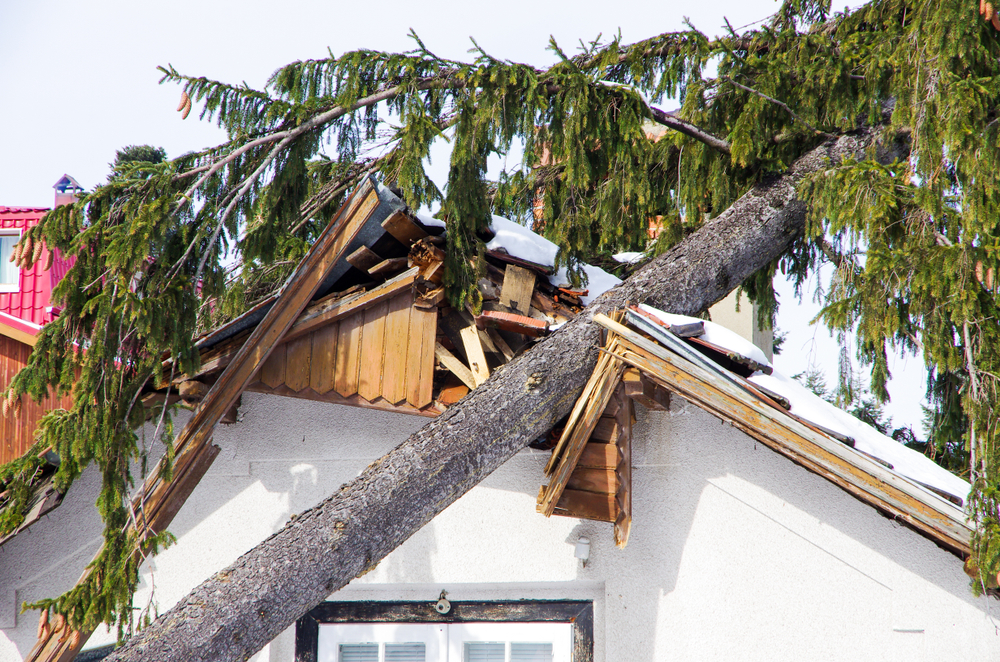
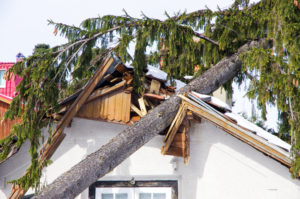
      Storms with wind speeds of at least 75 km / h cause damage, roofs can be thrown off or trees can be knocked over.

    • hail
      Hailstones destroy skylights and tiles.

    • Snow pressure
      Snow collects on the roof and pushes it in.

These natural events cannot be insured

If earthquakes or volcanoes occur, the damage they cause is annoying, but it is not insurable. Subsidence, damage caused by poor subsoil, penetrating groundwater or water from artificial water systems can cause damage, but these are not included in the household contents insurance as natural hazards. There are also many other damage events that are excluded from household contents insurance, examples of which are line usage, snow slides, damage caused by faulty building structures, frost damage or pandemics.
Tip: In many cantons it is possible to take out household contents insurance on a voluntary basis; in the cantons of Nidwalden and Vaud, insurance against fire and natural hazards is mandatory. Insurance is also compulsory in the cantons of Jura and Friborg, but there it is not to be taken out via the cantonal building insurance, but the insurance provider can be freely chosen.

Insured water damage?

Water damage in particular occurs very frequently, but it is not always clear whether the insurer has to pay for the damage or not. Therefore: If the damage is caused by an act of God, the building insurance is responsible for the property, the furniture is covered by the household contents insurance. If, for example, water leaks from the washing machine, the property must have a building water insurance policy; the household contents insurance is responsible for the household effects.
Important: A statutory deductible of 500 francs must be taken into account for all water damage.
Important: The amount of home insurance should be adjusted again and again. Over time, new furniture or valuables may be purchased. In principle, therefore, the amount of the household contents insurance must be adjusted accordingly if the value of the household effects increases.

Conclusion: Not all damage is covered by household insurance

Building insurance is important for all property owners, because damage caused by natural forces to the building is covered by this insurance. For the furniture, on the other hand, household contents insurance is important, which bears the damage caused by natural forces. It is important to adjust the amount of the respective insurance to the value of the building or the inventory and to check it regularly.

divide

Find household and personal liability insurance

Compare all providers in Switzerland quickly and free of charge.

These articles might also interest you:

(N) Liability insurance? So pet owners are liable in the event of damage

(N) Liability insurance? So pet owners are liable in the event of damage

Animal owners have to exercise a special duty of care and are liable in the event of damage. But not always, because proof of exoneration applies. Courts also decide in individual cases whether the animal owner is liable or not. 

Who is considered a pet owner?

An animal keeper is not always automatically only the owner of the animal, but also the person who actually has control over the animal and who is therefore able to prevent the animal from possibly damaging behavior. This means that by law the owner of the animal is considered to be the person who can determine where and how the animal is kept, how it is treated and who has an economic or personal benefit from the animal. Married couples can be joint pet owners, even in a shared flat several people can be considered as pet owners. A community of owners is jointly and severally liable, so that an injured person can claim compensation for the damage from each individual owner.

Accidents happen quickly

No question about it, an accident can happen quickly. The horse that breaks out of the paddock and runs onto the street may injure a driver so badly that he will henceforth be considered an invalid. The dog that is not kept on a leash bites another animal and seriously injures it. The cat scratches the neighbor's car door? these and many other examples from everyday animal husbandry can be listed here. However, liability must be considered in detail.

If the horse owner can prove from the first example that the horse was safely kept in the paddock, but would have broken out in any case through panic because cows came running to the pasture, he is not liable. The dog owner, however, who has not kept his animal on a leash as prescribed, must very well be liable for the damage that the dog has caused. Even if another animal might have struggled and seriously injured the attacker? the owner of the attacking dog must nevertheless be liable and bear the costs of treating his dog himself. This accident could have been prevented with sufficient education and the mandatory use of a leash.
But the example of the cat shows that the pet owner cannot be held liable. The courts argue here that a cat is difficult to train, and consequently it cannot be prevented from sharpening its claws on the neighbour's car while it is running free. Anyone who does not have liability insurance that integrates such damage should pay for the damage in the interests of good neighborliness.

Pet owners and liability insurance

Even if dog owners now have to take out liability insurance, this does not apply to owners of other animal species. However, it is recommended to take out appropriate insurance or to inquire about private liability insurance whether and to what extent damage caused by pets can be covered. It is important that certain risks are not simply ruled out because they are often risks that are often present. It is not uncommon for horse owners' liability to cover the riding of strange horses. If the insurance company makes a commitment to cover a risk, this commitment should be in writing.

In addition, it is important to have sufficient coverage, both in terms of amount and geographical validity. If you take your dog with you on vacation, you should also be adequately insured there!

tip: If you don't own an animal yourself, but go for a walk with your neighbor's dog, you should definitely check with your insurance company to see if this is insured. Because here the regularity of the activity can lead to the person in question being considered an animal owner.

Conclusion: it is essential that pets have liability insurance!

Pets can cause great damage and should therefore be adequately insured. However, it is important not only to ensure that insurance is available, but also to take out sufficient coverage and not have any important exclusions. This can be expensive in an emergency, because the pet owner is liable with his entire income and assets and, if necessary, for life!

divide

Find animal insurance

Compare all providers in Switzerland quickly and free of charge.

These articles might also interest you:

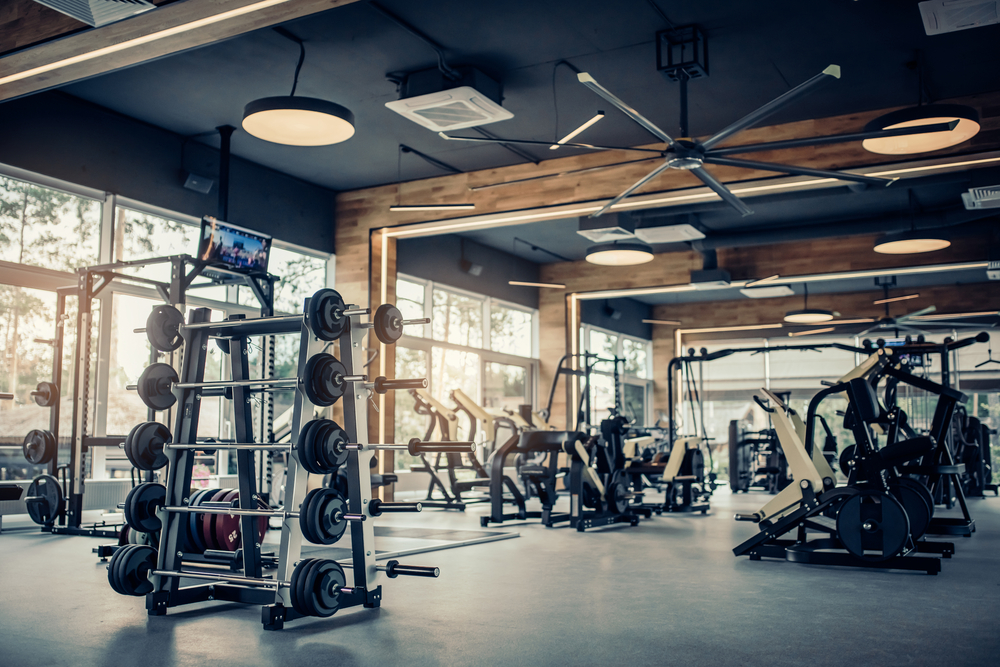
The wave of bankruptcies threatens fitness centers

The wave of bankruptcies threatens fitness centers

The corona crisis cannot be mastered equally well for all companies. The fitness industry in particular is suffering, because the sports centers have been closed again since mid-December. Now a wave of bankruptcies threatens. 

Precarious situation in the fitness centers

The industry is particularly hard hit by the closure in January and February. The reason is that a particularly large number of subscriptions are usually sold during this time and this sale has now completely ceased in 2021. The first bankruptcy filings have already been filed. Some apprentices lost their apprenticeship positions because the related company was insolvent. Many more are standing on the border and struggling to survive. So far, however, no exact numbers can be given, these will only come in the course of the next few weeks. At the moment, the industry association only knows from hearsay about the bankruptcies and that some companies can no longer pay their bills. It is currently assumed that the real wave of bankruptcies will kick in in a month or two.


No government support

The industry association complains that although generous aid payments had been promised, none of them had yet arrived. Right now, at the beginning of the year, the insurance bills are coming in. These in turn have to be paid as well as the usual fixed costs. Due to the already poor operating year 2020, hardly any savings were made, so that the insurance has to be paid for from the already tight budget. Many landlords currently do not or only little to accommodate the fitness centers. Corona loans from many sports centers had to spend around 70 percent on the rental payments, other fixed costs were not included. As a result, many got into debt or plunged further into debt. Curious: many properties belong to Swiss banks, which in turn grant loans to their tenants and yet do not accommodate them. There is hardly any money left for resources.

Hardly any liquidity available

The fitness centers have no chance of changing anything in the current situation. You cannot build up liquidity because you have completely lost the months in which you would make the strongest sales. Many subscriptions expire and will not be renewed because customers don't see the end of the situation either. Some showed their solidarity during the lockdown and did not reclaim their contributions or partially extended their subscription. But at some point the customer's patience runs out and they only see the unsafe situation. In the meantime, hardly any fitness studio expects that after the relaxation, the same number of customers rush into the fitness center and commit themselves for a longer period of time with a subscription. The risk is too great for most sports fans.

Online courses are also only an alternative to a limited extent, because many young, sport-loving people tend to rely on YouTube or other free offers for their daily workout. Others rely on personal care because they are in pain and need precise guidance. This simply cannot be given via video because no direct feedback is possible. Even if the fitness centers try a lot to keep customers engaged, in the long run they will probably be one of the big losers of the corona crisis. If the lockdown were to be extended beyond February, that would mean the end of significantly more companies.

Conclusion: The fitness industry is on the gums

For many fitness centers it is now all or nothing! If they are still not allowed to open after February, the last glimmer of hope has disappeared and there will be a much larger wave of bankruptcies than already. Many fitness businesses are already having to close because they no longer have any income, but the expenses for rent, insurance and other cost items remain high. Corona loans are not being paid out or only slowly, these are used to pay the most important costs immediately. What remains are indebted studios that can only proceed to file for bankruptcy.

divide

So you pay nothing for your fitness subscription!

Do you want to know how to get a fitness subscription for free? We would be happy to inform you!

These articles might also interest you:

The creditworthiness as a decisive criterion when granting loans

The creditworthiness as a decisive criterion when granting loans

If you are planning a purchase and cannot raise the necessary equity, you need a personal loan. But whether this is granted or not depends primarily on the creditworthiness. The credit check is the obstacle that should not be underestimated and that must be skipped on the way to the credit approval.

Correctly assess the creditworthiness of the applicant

For banks, the credit check of the applicant for a loan is part of their own risk management. Because: Only if you look closely can you see whether an investment is worthwhile or not! As is the case with companies, this statement also applies to banks and other lenders. They look at the creditworthiness of the applicant and then assess whether they want to take the risk of borrowing or not. Especially since it is not only about having to accept a small risk of losing the money, it is also important to ensure a good balance sheet with few loan defaults. At least that's how the owners of the banks see it. Customers are assigned a score that provides information about their creditworthiness.

The creditworthiness states how creditworthy a person is. Does she have enough income to cover normal expenses? Is there anything left over from the income to pay off the repayment installments for a loan after deducting all expenses? What about payment behavior: does the applicant always wait for reminders or does he meet his payment obligations on time? Is the income regulated, is the employment contract open-ended? Or is it a self-employed person who only makes an irregular profit or no profit at all with his perhaps still young company? These and other questions are set up and answered by a credit agency in order to then determine a credit rating. This score should be as high as possible, because all doors at a bank are open to the person concerned and the way to the loan is free.

ZEK is relevant for the credit rating

So-called Schufa-free loans are often offered in Switzerland, with Schufa being the credit agency that is relevant for Germans. For the Swiss, on the other hand, it is the ZEK, the central office for credit information, which nonetheless develops a score. It does not reveal exactly how this credit rating is calculated and what needs to be done to improve a score or to keep a good score at all. In general, it is the usual points such as punctual payment of bills, avoidance of debt collection procedures, regular payment of loans, etc. that have a positive effect on a score.

The data recorded and stored at ZEK are known, including open credit inquiries. It is therefore advisable that a person who wants a loan does not submit a loan application to several banks. The background: If a person has to write to so many banks, they will probably not be offered a loan. Ergo, the credit rating is to be classified as worse. This conclusion does not have to correspond to reality, but it is drawn in this form. If you want to inquire at several banks, you should therefore rather rely on a condition request and not a loan request! This is not saved. However, those inquiries for which the offer is no longer valid are also deleted by the ZEK, they do not remain here forever and therefore cannot have a permanent effect on the creditworthiness.
Blocked bank cards have a very negative effect, regardless of the reason why they were blocked. It is therefore important, in the interests of good creditworthiness and a positive credit decision, not to have bank cards blocked.

Conclusion: the credit rating as an obstacle to lending

When it comes to granting a loan, the most important thing is the credit rating. An applicant should therefore pay attention to his creditworthiness and possibly obtain information in advance from the ZEK. In general, consumers should make sure that they show good payment behavior, because only then is it possible to make a positive credit decision.

divide

Credit comparison Switzerland

Calculate credit and compare all providers

These articles might also interest you:

Despite Corona, SMEs are investing in more security

Despite Corona, SMEs are investing in more security

Security provider Eset has started a survey on how security is doing in SMEs in the Corona crisis. It turned out that many companies are now planning to increase security and, contrary to popular belief, do not want to save on this point as well.

Security in companies: Home office as a security risk

What was unthinkable for a long time is now a reality: More and more employees are working from home and are accessing company data from their house or apartment. Networks were opened for this to ensure access to the data. But the employees' devices are exposed to great dangers as a result, and the networks of the companies are more vulnerable to working from home. The study by the security provider Eset has now shown that many companies want to invest in increased security precisely because they feel more vulnerable. You want to rely more on centrally managed security solutions and improve with firewalls and virus scanners. Around two fifths of the companies are already working with encryption technology, and other companies would like to improve this too. But at the same time there is a certain amount of ignorance: Many do not even know how to increase security and what to do to protect the data on the company's computers and in the home office.

What is difficult is that GDPR-compliant work at home is assessed as difficult or cannot be implemented at all. Often even sensitive data is only protected with a password, which in turn can be easily cracked. Only a third of all companies protect access to the servers through VPN networks or two-factor authentication. What was previously neglected is now taking revenge.

Positive aspects of the survey

The survey among the more than 100 companies showed not only opportunities for improvement, but also positive things. The companies are aware of their responsibility and have already done a lot to keep the security of the networks and data as high as possible. Even if many companies have stumbled financially due to the Corona crisis, many of them want to try to bring more money into the security sector. The point is to use improvements and new products to enable work in the home office in the long term. Because there is no end to the crisis in sight and for the time after that, there are already calls from employees that they want to continue working from home.
The funds that companies plan to increase security should primarily be used for encryption solutions. Virus protection is to be improved, and two-factor authentication is to become standard. VPN and managed services are also on the investment plan.

Security providers benefit from the corona crisis

The security providers will definitely benefit from the Corona crisis because they are calm about the companies' willingness to invest. The companies in Switzerland want to invest more in the security of the company and will need new solutions for this, which above all secure work in the home office and protect sensitive data.

divide

Insurance for SMEs

Compare all providers in Switzerland quickly and free of charge.

These articles might also interest you: