Chatbots: you are everywhere!
Have you been to your health insurer's website recently? Did you use the chat? And (supposedly) talk to an employee of the insurance company? Hardly, because these? Employees? are virtual robots. Chatbots.
Chatbots have long since found their way into health insurance. Helsana officially advertises its on its own Facebook channel. The Helsana chatbot is easily activated in the messenger via? Hello Helsana ?.
Now you can do small things. But what is a chatbot anyway? What is the purpose of insurers with these bots? Where are any disadvantages buried?
What are these chatbots anyway?
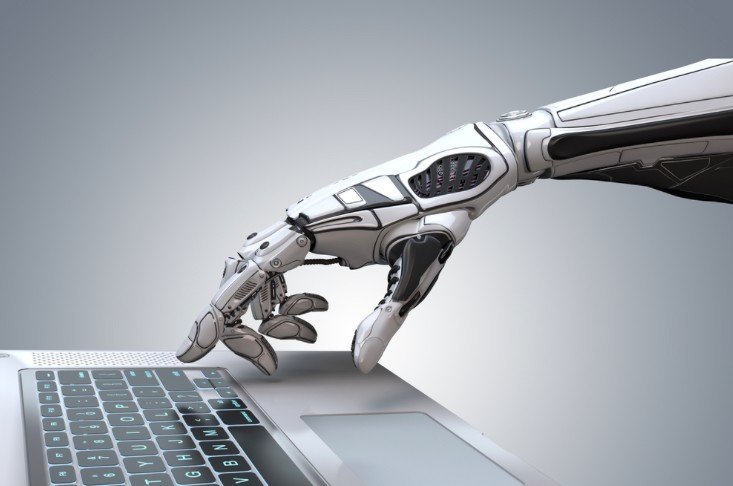
Let's start with the most important question: what is a chatbot? The answer is simple, because a chatbot is nothing more than a robot - a digital robot. In other words, a kind of artificial intelligence on the Internet that is particularly useful in customer service.
Nevertheless, this artificial online intelligence is not the famous egg-laying wool milk sow. On the contrary. Chatbots are currently (still) quite limited, what is their? Intelligence? As. How do the? Online robots? even their limits.
Now the question arises, what are these chatbots good for? What are they useful for? The fact is: The current chatbots enable companies such as health insurance companies to provide a certain level of customer service, but are not a silver bullet.
Chatbots can be very effective in a specific area such as insurance or even better health insurance. And this for both the operator (= health insurance) and the insured (= customer).
Health insurance: This is how chatbots work
But does such a chatbot work exactly now? Imagine the following scenario: You have a problem with your health insurance. For example, a question about accident coverage. Or whether you get discounts for your two children.
In that case, the topic would be clear because it was narrowly narrowed. For example, when it comes to accident coverage, the chatbot could ask you to work for the same employer for at least eight hours a week. If you answer yes to this question, the chatbot provides the answer: no, you do not need your own accident insurance.
Because your employer has to provide you with accident insurance from eight hours a week.
Your curiosity may not be satisfied, however. So ask the chatbot if this employer-paid accident insurance also applies in your free time. Answer: yes.
A health insurance service representative would give you the same answers over the phone. Only: This employee costs health insurance money, which you? Fine? Again with higher health insurance premiums. Logical, right?
Advantages and disadvantages of chatbots
The advantages of such chatbots are obvious. chatbots:
- Saving insurance costs (staff) as well
- You as an insured person health insurance premiums.
- Provide quick answers to questions.
- In contrast to a hotline are available 24/7.
- Ensure a positive customer experience.
The last point is no joke, as studies show. Because customers feel? Understood by the chatbots? and quickly get the information you want. On the other hand, chatbots also have disadvantages. For example, the bots are:
- Limited to a narrow topic (health insurance).
- Not a real substitute for a one-on-one conversation.
- No alternative for in-depth advice.
From there, there is no personal contact.
Conclusion: Chatbots are a good option in the service area. As a customer, you get quick answers to burning questions around the clock without waiting.